LETHABO: BEYOND NTSWAKI, THE MAKING OF A STAR WITH PURPOSE

South Africa may know her as the girl who keeps viewers talking on Skeem Saam, but there is much more to Lethabo than Ntswaki’s controversial decisions. From a childhood dream of becoming a doctor to navigating rejection, fame, money and the emotional demands of acting, the young star is learning that success is not just about being seen. It is about knowing who you are when the cameras stop rolling.

For many South Africans, the name Lethabo immediately brings to mind Ntswaki, the character on Skeem Saam who has a remarkable ability to get people talking. Whether viewers are defending her, criticising her or questioning her decisions, one thing is certain: she has become a character people cannot easily ignore. But beyond the television screen is a young woman whose journey is far more layered than the drama audiences see each evening.

Long before the public became familiar with her face, Lethabo was a young girl from North West trying to figure out what she wanted to become. Acting was not always the plan. At one point, she imagined herself becoming a doctor, following a completely different path from the one that would eventually place her in front of television cameras. Yet, as life often does, things began to change in ways she could not have predicted.


Her interest in acting developed while she was still at school. By Grade 7, she had joined an agency, taking her first steps into an industry that demands patience, discipline and resilience, particularly from someone so young. What began as an interest gradually became something she was willing to pursue seriously.

“I wasn’t treating acting like a hobby. I was willing to work, learn and take responsibility for the opportunities I was given.”

That attitude would become important when the journey took an unexpected turn. Lethabo experienced disappointment after losing a scholarship, an opportunity that could have changed the direction of her life. It was the kind of setback that could easily leave a young person questioning their abilities or wondering whether they had chosen the wrong path. Instead, another door opened when she landed a role on Skeem Saam.

Looking back, she does not pretend that the disappointment never mattered. Some opportunities leave a mark, especially when you are young and still trying to understand what your future might look like. But she has learnt that one missed opportunity does not have to define the rest of your story.

“Do I still wonder about that door? Of course. I’m human. But I don’t live in regret.”

It is a perspective that feels particularly relevant in an industry where rejection is part of the job. Auditions do not always lead to roles, plans can change overnight, and talent alone does not guarantee that things will fall into place. For Lethabo, the experience has helped her understand that sometimes the opportunity you did not get can make room for something you never expected.

Her breakthrough, however, came with a challenge of its own. Playing Ntswaki means being part of conversations that can become intense, especially when viewers develop strong opinions about a character’s actions. In the age of social media, those opinions do not always remain on television screens. They follow actors into comment sections, direct messages and everyday life.

For a young actress, learning to separate criticism of a character from criticism of the person portraying her is essential. Lethabo has had to develop that understanding while growing up in the public eye.

“I’ve had to learn very early that people’s feelings towards a character are not necessarily feelings towards me.”

It is an important distinction, although not always an easy one to maintain. When audiences invest emotionally in a storyline, their reactions can be immediate and unforgiving. A character’s choices may frustrate viewers, but the actor behind those choices is doing a job that requires them to bring the character to life convincingly.

Lethabo understands that not everyone will like Ntswaki. In many ways, that is part of what makes a character memorable. The real challenge is refusing to let public opinion dictate who she becomes outside the role.

“If I depended on everyone liking me, I would constantly be changing who I am.”

There is also an emotional side to acting that audiences do not always consider. A powerful scene might last only a few minutes on television, but preparing for it can demand a great deal from the person performing it. When a storyline deals with painful experiences, difficult relationships or emotional turmoil, the work can become particularly demanding.

For Lethabo, some of those moments have required her to sit with emotions that are not always easy to leave behind once filming is finished.

“That storyline was difficult because there is a difference between performing an emotional scene and carrying the emotional weight of what you’re portraying.”

The distinction matters. Actors are expected to make fictional experiences feel real, often returning to emotionally demanding scenes repeatedly until the director is satisfied. The audience sees the finished product, but rarely the preparation, the retakes or the effort involved in reaching that final moment.

“Sometimes the work doesn’t completely end when the director says cut.”

Her experience has also made her more conscious of the importance of wellbeing in the entertainment industry. Conversations about mental health should not begin only when someone reaches a breaking point. For young performers in particular, having the right support, boundaries and people around them can make a meaningful difference.

“I don’t think wellbeing should only become a conversation after someone has already reached breaking point.”

For all the pressure that comes with being recognised, Lethabo has also experienced the rewarding side of her work. Recognition at the Royalty Soapie Awards gave her a moment to appreciate how far she had travelled and the significance of the opportunities that had come her way.

Awards can be exciting, particularly for a young performer still finding her footing. They offer recognition, but they also bring expectations. The challenge is to appreciate the achievement without becoming so focused on the next accolade that the actual work loses its meaning.

“I’d rather have longevity than simply have a very impressive beginning.”

That outlook suggests an understanding that a career cannot be built on a single role, one award or a brief period of public attention. The entertainment industry can be unpredictable, and the people who remain relevant are often those willing to keep learning, adapting and developing their craft long after their first breakthrough.

Away from acting, Lethabo has also explored opportunities that allow her to connect with people in different ways. Her Miss Teen RGP title gave her another platform, one that carried expectations beyond appearance and recognition. For her, the value of such a title comes down to what a person chooses to do with it.

“A title doesn’t automatically mean you’ve changed people’s lives. Impact has to be demonstrated through consistency, not photographs.”

It is a fair point in a world where public figures can easily be judged by what they post online. A crown, a title or a platform may attract attention, but meaningful influence requires effort beyond the moment of recognition.

“If a crown is only producing Instagram content, then it’s fair to ask what purpose it serves.”

That same thinking extends to her life as a content creator. Social media has become an important part of building a public profile, particularly for young entertainers who want to reach audiences beyond traditional television. It can open doors, create opportunities and help people understand the person behind a familiar face. At the same time, it can create pressure to share more than one is comfortable revealing.

Lethabo is learning where to draw that line. She recognises that an online presence does not have to become a complete account of her private life, and that being known by the public does not mean surrendering every part of herself.

“Just because something performs well online doesn’t mean it represents who I want to be.”

She adds, “I don’t think being accessible means being completely available.”

It is a lesson that many young people in the public eye have to learn, often through experience. The desire to connect with supporters is understandable, but privacy remains important. There is a difference between sharing parts of your journey and feeling obligated to make every personal experience available for public consumption.

Growing up in the entertainment industry has also taught Lethabo to pay closer attention to the people around her. Success can attract genuine support, but it can also bring relationships that are shaped by opportunity, access and expectation. Learning to recognise the difference is part of growing up.

“I’ve also learnt that not everyone who says yes to you necessarily wants what’s best for you, and not everyone who tells you no is against you.”

It is a lesson that extends far beyond the entertainment industry. Sometimes protection comes in the form of a boundary, and sometimes rejection forces a person to reconsider a direction that was never right for them in the first place.

Perhaps one of the clearest signs of Lethabo’s determination is the fact that she bought her first car in cash at just 18. For a young person entering adulthood while balancing work, public attention and personal ambitions, the achievement represents more than the purchase itself. It speaks to the importance of making decisions about money while opportunities are available.

Financial success can be difficult to navigate at any age, but it can be particularly complicated when it arrives early. Recognition may create the impression that everything is easy, yet maintaining stability requires planning, discipline and an understanding that income and opportunities can change.

Lethabo’s journey has taught her that not every milestone needs to be announced and not every achievement has to become a performance for an audience. Some wins are valuable precisely because of what they mean to the person who worked for them.

Her interest in mental health also forms part of a broader understanding of success. The entertainment industry often celebrates visible achievements, from awards and television appearances to growing social media numbers. Yet behind those milestones are individuals who must still manage pressure, uncertainty and the ordinary challenges of life.

“Talent is not sustainable when the person behind it is struggling.”

For Lethabo, protecting her wellbeing is not separate from building her career. It is part of making sure she can continue doing the work she loves without losing sight of herself in the process. She also recognises the value of mentorship and having people who can offer guidance as she navigates an industry that can be difficult to understand from the outside.

Her ambitions reach beyond acting, too. While audiences may associate her most strongly with television, she has been pursuing her studies in psychology and is interested in exploring producing and directing. These interests reflect a desire to understand people and stories from different perspectives, rather than remaining within the boundaries of the role that first introduced her to the public.

“I don’t see acting as the destination. I see it as one of the doors that has opened for me.”

That distinction could prove important as her career develops. Acting allows her to interpret stories through a character, while producing and directing would give her greater involvement in shaping how those stories are told. Her interest in psychology adds another dimension, offering a way to explore human behaviour and the experiences that influence how people see themselves and the world around them.

“There are stories about young African people, women, families, identity and mental health that I would love to explore in a much deeper way.”

It is an ambition that speaks to the kind of career she hopes to build: one that is not limited to being recognised on screen, but also creates opportunities to contribute to the stories audiences encounter. For a young performer, that means being willing to learn, take risks and accept that the next chapter may look very different from the one that brought her into the spotlight.

Of course, growing up publicly comes with its own complications. While other young people may make mistakes, change their minds or go through difficult periods without strangers watching, young entertainers often experience those moments under a public lens. Their growth can become a topic of discussion, and their past can follow them even as they try to move forward.

“Growing up publicly has meant that some of my experiences happened with an audience watching.”

There is a certain vulnerability in that reality. The public may feel that it knows someone because it has watched them on television or followed their journey online. But visibility is not the same as understanding. Viewers see selected parts of a person’s life, shaped by storylines, interviews and the moments they choose to share.

Lethabo wants room to become more than the character that made her recognisable. She wants to learn, make decisions, explore new interests and grow into a person whose identity is not permanently tied to one stage of her life.

“I want to be allowed to evolve. I don’t want people to only remember me as the teenager who became an actress.”

It is a reasonable request, especially for someone whose career began while she was still young. The person audiences first encountered will continue to change, and the roles she takes on in the future may reveal sides of her that viewers have not yet seen.

For now, Ntswaki remains a significant part of her story. The character has brought attention, challenged her emotionally and introduced her to audiences who may not otherwise have known her name. But the role is not the whole story, and Lethabo appears determined to make sure there is much more to come.

“I want my success to mean more than being famous. I want it to mean that I used the opportunities I was given well.”

Perhaps that is the most telling part of her journey so far. She is not simply chasing the next moment in the spotlight. She is thinking about what she can build from the opportunities she has received, what she can learn from the setbacks she has faced and how she can remain grounded while her world continues to expand.

There is still much ahead of her, and no one can predict exactly where her journey will lead. What is clear, however, is that she is already thinking beyond the immediate rewards of recognition. She wants a career with substance, a life with boundaries and the freedom to explore possibilities that extend beyond the character audiences have come to know.

The character may be the reason audiences are watching, but the woman behind it is the reason her story deserves to be heard.
From Soweto to the Set

The Rise of Kruger Zulu

Born in Soweto, driven by purpose and shaped by the demands of the film industry, Kruger Zulu is building his name behind the scenes of major productions while nurturing his own ambitions as a filmmaker. His journey is a story of discipline, resilience and the courage to pursue a dream, proving that sometimes the people working beyond the spotlight have the most powerful stories to tell.

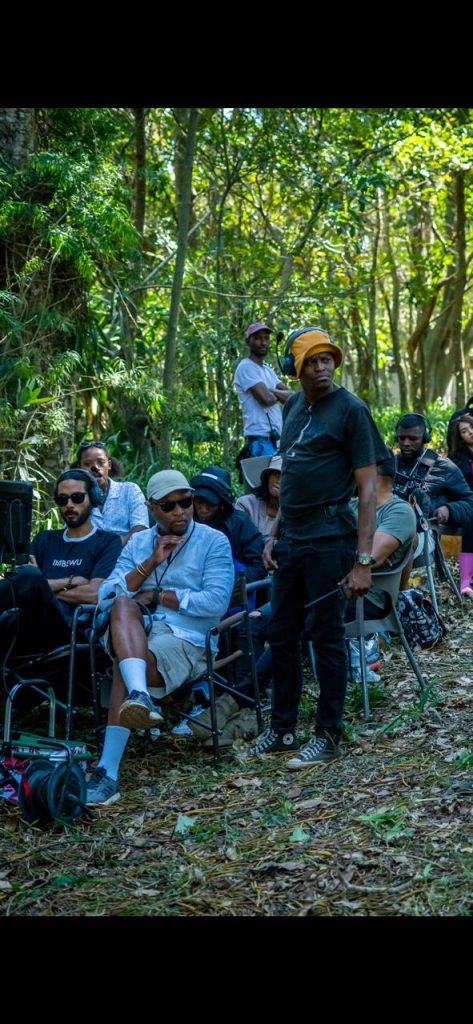
There is a world behind the camera that audiences rarely get to see. It is a world of early mornings, long hours, difficult decisions and people working tirelessly to turn an idea on paper into a story that millions can eventually experience on screen. While the audience sees the final product, the magic of filmmaking begins long before the cameras roll. It begins with the people who believe in the vision, understand the responsibility and are willing to do the work required to bring it to life.

For Kruger Zulu, that world has become both a profession and a passion.

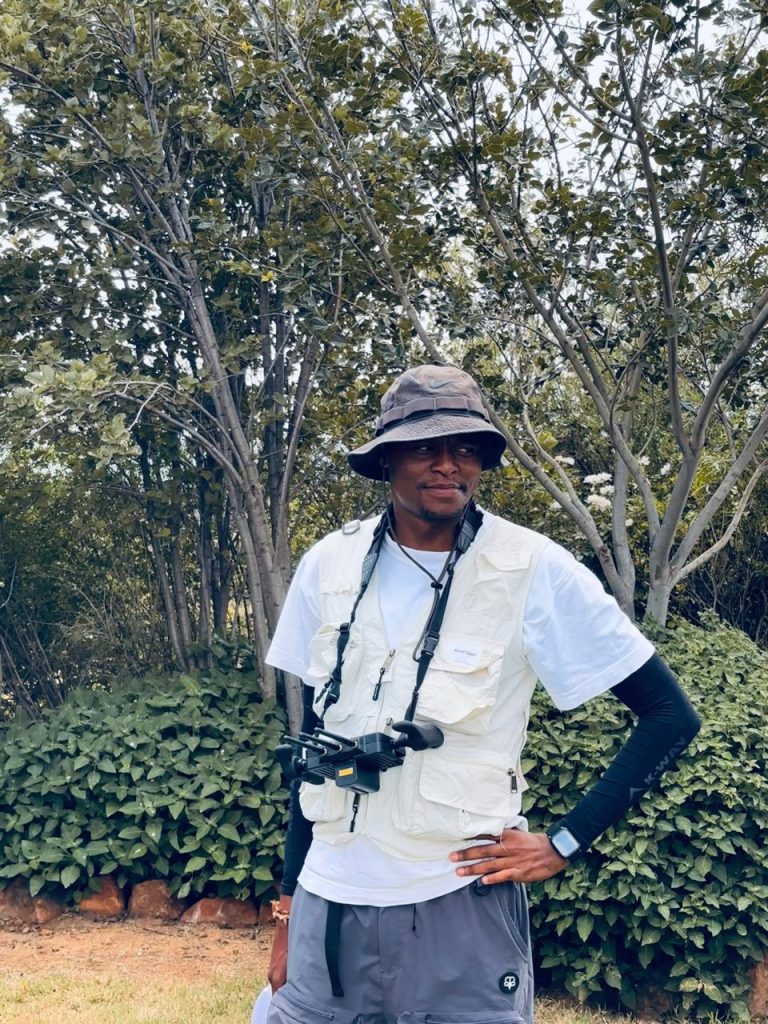
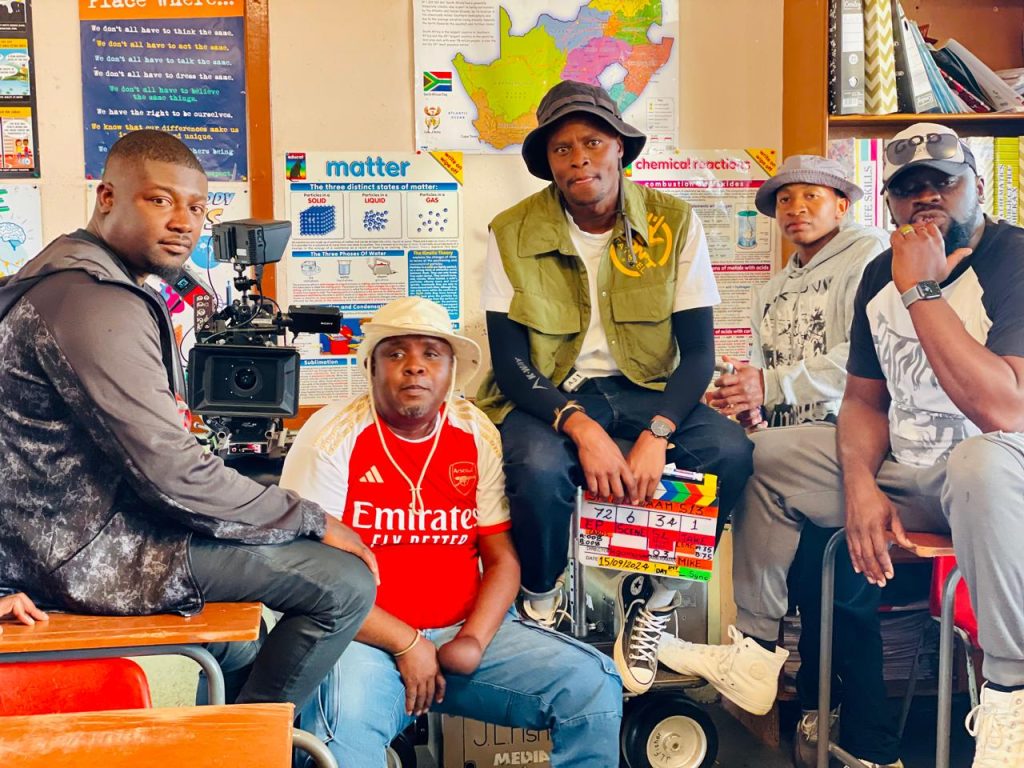
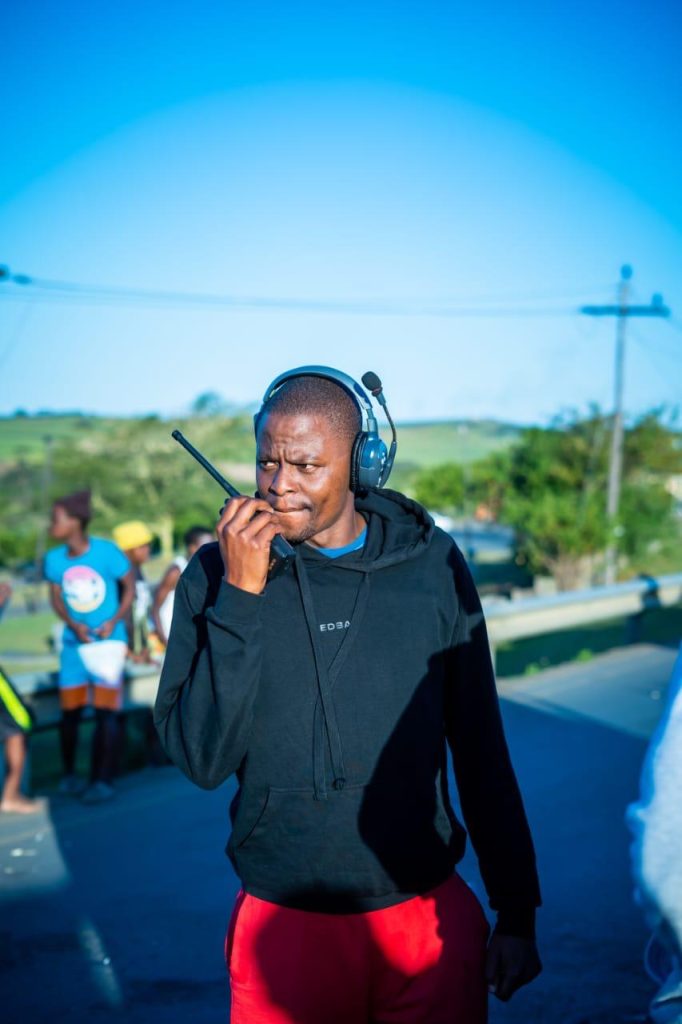
A Soweto born creative, Zulu has carved out his place in the film and television industry as a First Assistant Director, working on major productions and helping transform ambitious creative visions into practical realities. His work demands precision, discipline and the ability to keep an entire production moving, even when circumstances threaten to derail the plan.

Yet, beyond the walkie talkie, the call sheet and the authority of his professional title is a man with a bigger vision for himself. He is not only committed to helping other people tell their stories. He is also developing his own voice as a filmmaker, carrying the lessons of every production into the stories he hopes to create.

His journey offers an important reminder that success does not always begin with recognition. Sometimes, it begins with showing up, doing the work, learning from those around you and remaining committed to a dream even when the journey demands more than you expected.

For Zulu, being a First Assistant Director is about much more than calling for quiet or ensuring that a scene is ready to be filmed. It is about understanding the moving parts of a production and making sure they work together.

“My job is to keep that system moving,” he explains.

It sounds simple, but anyone familiar with the demands of filmmaking understands the responsibility behind those words. A production brings together actors, directors, producers, camera operators, sound teams, lighting departments, costume designers and countless other professionals. Each person has a role, and each department depends on clear communication and effective coordination to achieve the day’s objectives.

The First Assistant Director helps hold that structure together.

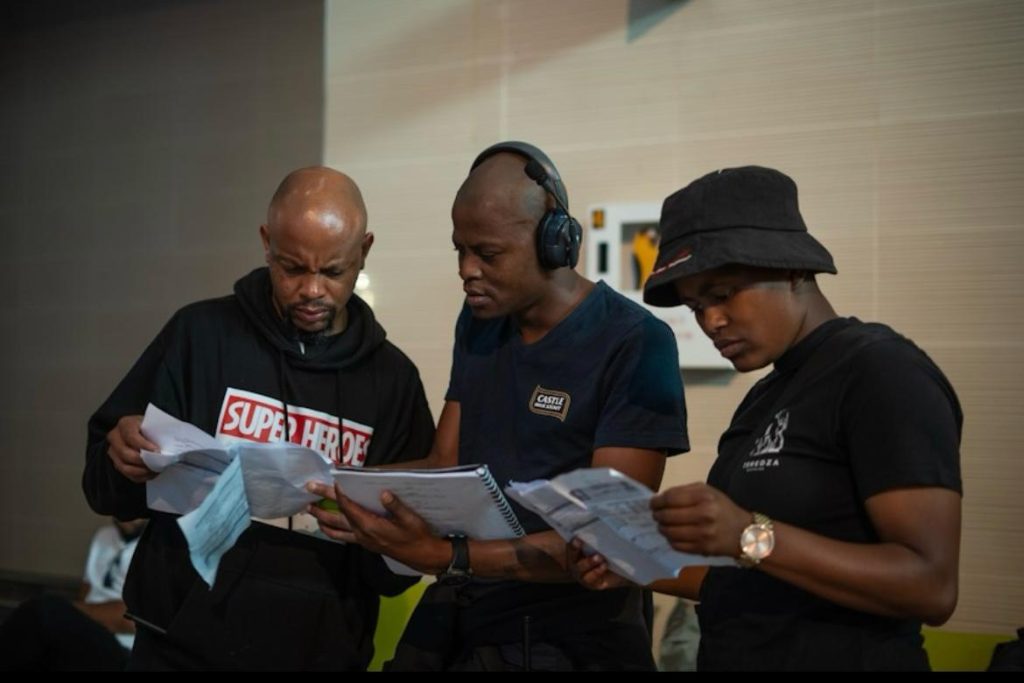
Zulu is responsible for managing time, coordinating departments, working with the cast and crew, and helping ensure that the director’s vision can be achieved within the practical realities of production. It requires him to understand the bigger picture while paying attention to details that might otherwise be overlooked.

A delayed setup can affect the entire schedule. A misunderstood instruction can disrupt several departments. A decision made in the moment can determine whether the production remains on track.

“Being a First AD is about preparation, communication, discipline and staying calm when things don’t go according to plan,” he says.

That ability to remain composed under pressure is one of the defining qualities of his work. On a film set, things do not always unfold as expected. Locations change, technical problems arise, people run late and scenes sometimes demand more time than anticipated. A schedule may provide direction, but it cannot predict every challenge.

For Zulu, experience has taught him that the secret is not to become attached to a plan simply because it was carefully prepared. The real skill lies in understanding the plan well enough to know how to adjust it without losing sight of what needs to be achieved.

“A good First AD doesn’t only know the plan. They know what to do when the plan stops working.”

It is a lesson that extends beyond filmmaking. Life rarely follows a perfectly written script. Dreams encounter delays, opportunities arrive in unexpected forms, and sometimes the route to success looks nothing like the one we imagined at the beginning.

What matters is the ability to adapt without abandoning the destination.

In the demanding world of major productions, where expectations are high and time is valuable, Zulu has learned that pressure requires clarity rather than panic.

“When something starts going wrong, you cannot afford to panic. Everyone is looking for someone to provide direction,” he explains.

The ability to make a quick decision, communicate it clearly and keep people focused is essential. Sometimes, the most important contribution a First Assistant Director makes is preventing a problem from becoming visible to anyone outside the production.

“There are many decisions made on a set that will never appear in the credits. Sometimes the most important thing you do is simply prevent a problem from becoming visible.”

There is a quiet confidence in that understanding. It reflects a professional who recognises that the value of his work is not measured only by how often he is acknowledged, but also by how effectively he helps others succeed.

“If the audience watches the finished production and never knows that there were challenges behind the scenes, then we have done our jobs properly.”

For Zulu, that is the beauty of the work. The audience gets to experience the story without needing to know how many adjustments, conversations and difficult decisions were required to make it possible.

But keeping a production moving is not only a matter of schedules and logistics. It is also about people.

A film set brings together individuals with different personalities, perspectives, creative instincts and professional responsibilities. Under pressure, those differences can sometimes lead to tension. The First Assistant Director must know when to be firm, when to listen and when to find a way forward that allows the work to continue without damaging relationships.

Zulu is clear about the kind of leader he wants to be.

“I don’t want people to be afraid of me. I want people to respect the responsibility that comes with my position.”

It is a distinction that speaks to his understanding of leadership. Authority may come with a job title, but respect has to be earned through conduct, consistency and the way people are treated.

There are moments when firmness is necessary. When a production needs quiet, the instruction must be respected. When time is running out, decisions cannot always be delayed. But Zulu understands that the people on set are human beings who may be tired, stressed and working under immense pressure themselves.

“The difficult part is learning how to be firm without becoming disrespectful.”

His approach is to keep the focus on the work rather than allow disagreements to become personal. When egos begin to interfere with the production, he returns to the central questions: What are we trying to achieve? What does the schedule require? What is best for the production?

“You don’t win by trying to prove that you are the most powerful person on set. You win by getting the job done while maintaining respect for the people around you.”

It is a philosophy built on the understanding that filmmaking is a collective effort. No matter how talented one person may be, a successful production depends on people working together.

That appreciation for collaboration has also shaped the way Zulu views his professional journey. He speaks with gratitude about the opportunity to work with industry figures including Thabang Moleya, Chris Q Radebe, Kgomotso Medupe, Kagiso Medupe, Tiyane Nyembe, Ntobeko Dlamini and Twiggy Matiwana.

Working with experienced people has exposed him to different approaches to the craft and reinforced the importance of professionalism, preparation and respect.

“Passion and respect can take you places,” he says.

For Zulu, the industry is not simply about getting opportunities. It is about what you do with them, what you learn from the people around you and the impression you leave behind when the work is done.

Talent matters, but it is not the only thing that sustains a career. People remember those who arrive prepared, communicate clearly, take responsibility and remain dependable when the pressure rises.

“The industry remembers people who can be trusted.”

It is advice that carries particular weight for young people hoping to enter the entertainment industry. Opportunities may not always come quickly, and the journey may not offer immediate recognition. But every experience can become an opportunity to develop a skill, build a relationship or understand the business a little better.

For Zulu, consistency is part of that process. You have to be willing to learn from the small opportunities as much as the big ones, ask questions at the right time and respect every person who contributes to the production.

His own career reflects the importance of learning while doing. Each production has offered lessons about people, performance, technical departments and the practical work required to bring a story to life.

But there is another side to Kruger Zulu that is equally important to his story.

Beyond his responsibilities as a First Assistant Director, he is a filmmaker with his own ideas, ambitions and creative perspective. He wants to tell stories that come from his own imagination and experiences, and he sees his work behind the scenes as an important part of preparing himself for that future.

“I don’t see being a First AD as a compromise. I see it as an education.”

For Zulu, the two roles complement each other. Being a First Assistant Director has taught him discipline, leadership, communication and how to help execute someone else’s creative vision. Being a filmmaker gives him the freedom to explore his own ideas and develop stories from his own perspective.

Rather than viewing his professional responsibilities as a detour from his dreams, he recognises the value of what he is learning along the way.

Every production offers another lesson in how films are made. Every collaboration reveals something about the creative process. Every challenge provides an opportunity to understand what it takes to move from an idea to a finished piece of work.

There is a powerful lesson in that approach: sometimes the journey towards your dream involves doing work that prepares you for it in ways you may not immediately recognise.

You may not always be the person leading the creative vision, but you can still learn how that vision is developed, communicated and brought to life. You can observe how experienced professionals handle pressure, how departments work together and how decisions affect the final product.

That knowledge becomes part of your own creative foundation.

For a filmmaker who wants to develop his own projects, understanding the practical realities of production can be just as valuable as having a compelling idea.

And Zulu has a clear message for aspiring creatives who have ideas they hope to bring to the screen.

“One of the biggest things I see is people spending too much time talking about the project instead of actually developing it.”

He believes that too many people become attached to the excitement of imagining a project without taking the necessary steps to make it real. Ideas are important, but they must be developed through writing, rewriting, criticism and a willingness to keep improving.

“An idea is not a film.”

The statement is direct, but it captures a truth that applies to almost every creative ambition. Having a dream is the beginning. The work that follows determines how far that dream can go.

Zulu encourages young filmmakers to write their ideas down, finish something, learn from the experience and begin again. Waiting for everything to be perfect can become an excuse for never starting.

The process itself is where growth happens. A completed project teaches you things that an unfinished idea never can. It reveals what works, what needs improvement and what you might do differently the next time.

For young people from communities where opportunities may feel distant or difficult to access, that message is especially meaningful. You do not have to wait until you have everything figured out to begin developing your craft. You can start with what you know, learn from what is available to you and keep building.

The journey will not always be easy. Zulu knows that pursuing a career in film comes with sacrifices that are often invisible to the outside world.

The hours can be long, call times can be early, and sometimes the working day continues long after friends and family have settled into their own routines.

“One of the biggest things it takes from you is ordinary time,” he reflects.

Time with loved ones, rest and the freedom to switch off can become difficult to protect when a production demands so much attention. While building a career, you can sometimes become so focused on the future that you forget the importance of the life happening around you.

Zulu acknowledges that finding balance is something he continues to learn.

His honesty offers a more human picture of ambition. Success is often discussed in terms of sacrifice, hard work and determination, but it is equally important to recognise that the people pursuing those dreams have lives and relationships that matter.

Passion can keep you going through difficult periods, but it should not require you to lose yourself in the process.

“The important lesson for me is that passion should not mean forgetting yourself.”

For Zulu, the goal is to continue growing in the industry while learning how to protect his energy and make time for the people who matter to him.

That understanding is part of his development, both as a professional and as a person.

He has also learned that growth sometimes comes through recognising what could have been done better. In a career where decisions are made quickly and several departments depend on one another, communication cannot be taken for granted.

A person may believe that an instruction is clear, while someone else may understand it differently. A change may seem minor to one department but have a major impact on another.

For that reason, Zulu places importance on confirming information, communicating changes clearly and making sure the relevant people understand what is expected of them.

Mistakes can be uncomfortable, particularly in a high pressure environment, but they can also become valuable lessons when approached with honesty.

“I don’t believe in pretending you never make mistakes. I believe in making sure you don’t keep making the same mistake.”

That willingness to learn is one of the most important qualities a person can develop. Nobody begins a career knowing everything, and nobody grows without encountering situations that test their judgement.

What matters is whether those experiences lead to improvement.

For Zulu, every production contributes to that process. Each challenge teaches him something about preparation, leadership, communication and the importance of remaining open to learning.

And while the industry may recognise him professionally as a First Assistant Director, that title does not tell the full story of who he is.

“Away from the walkie talkie, the call sheet and the title, I am simply Kruger.”

It is perhaps one of the most revealing reflections he shares. Behind the responsibilities and the demands of the set is a person with dreams, challenges, ambitions and a desire to keep becoming better at what he does.

He did not enter the industry simply to hold a title. He wanted to be part of the process of creating something meaningful, something that could move people and connect with audiences.

The walkie talkie may be part of his everyday working life, but it is not the whole of his identity. His passion for storytelling, his desire to create and his determination to keep growing are what give the journey its deeper meaning.

For Zulu, the future is about continuing to build, continuing to learn and eventually leaving behind work that reflects his own creative voice.

It is a vision that remains connected to his roots in Soweto, a place that forms part of his story as he continues to make his way through the film and television industry.

His journey is a reminder that there is no single way to build a meaningful career. Some people begin in the spotlight, while others learn their craft behind the scenes. Some discover their creative voice early, while others develop it through years of working alongside different people and understanding the many dimensions of their profession.

What matters is the willingness to keep moving, to respect the process and to remain committed to the person you are becoming.

Kruger Zulu’s story is still unfolding. Every production brings new responsibilities, every experience offers another lesson and every opportunity creates room for further growth. He continues to balance the demands of helping bring other people’s visions to life with the ambition to tell his own stories.

And that is what makes his journey worth paying attention to.

It is not simply a story about working on major productions or earning a place in a competitive industry. It is a story about the value of doing the work when nobody is watching, learning when nobody is applauding and understanding that progress is often built quietly, long before the world notices.

For the young creative sitting somewhere in Soweto, dreaming of a future in film, or for anyone with an ambition that feels bigger than their current circumstances, Zulu’s journey carries a simple but powerful message: start where you are, respect the work, learn from the people around you and never underestimate the value of consistency.

You may not control how quickly opportunities arrive, but you can control how you prepare for them. You may not always receive recognition for every contribution, but you can take pride in the quality of your work. And you may begin your journey helping someone else realise their dream, only to discover that the experience is preparing you to pursue your own.

From Soweto to the set, Kruger Zulu continues to build his story through discipline, passion and a determination to keep creating.

When audiences watch the finished production, they may never know about the last minute adjustments, the difficult decisions or the countless conversations that helped bring it to life. But Zulu knows, and so do the people who understand what it takes to make the magic happen.

His journey reminds us that you do not have to be the face on the poster to make a lasting contribution. Sometimes, the most important work happens away from the spotlight, carried by people who understand their purpose and show up ready to deliver.

And perhaps one day, as he continues to grow into his own voice as a filmmaker, the creative who has spent years helping other people’s stories reach the screen will bring his own stories to audiences who need to hear them.

Until then, he keeps learning, keeps building and keeps moving forward.

Because the rise of Kruger Zulu is not only about where he has worked or what he has achieved. It is about the possibilities that emerge when passion meets discipline, when humility walks alongside ambition, and when a person remains committed to the work long before the recognition arrives.

His journey is a testament to the power of building quietly, dreaming boldly and trusting that every step taken with purpose can lead somewhere meaningful.Kruger Zulu · First Assistant Director · Soweto